


One drop of adhesive can decide whether a set goes smoothly and precisely or slows down every application. The question of how to choose lash adhesive isn't answered only by the retention promised on the packaging. The right product should match the lash artist's speed, the conditions in the room, the chosen technique, and the client's profile.
In eyelash extensions, adhesive is the active working material. It affects application time, how clean the fan is, the amount of fumes, and the stability of the bond between the natural and the artificial lash. That's why a professional choice starts with the technical specifications, not with which adhesive works well for a colleague in another salon.
How to choose lash adhesive based on speed
The most important guide is the drying time specified by the manufacturer. It shows how quickly the adhesive starts to set the artificial lash after contact with the natural one. This isn't about full curing but about the working window in which you can dip the lash, position it, and build a stable bond without slipping.
For a beginner lash artist or a specialist who works at a slower, more careful pace, an adhesive with a drying time of about 2-3 seconds is usually more suitable. It gives time to correct the position and reduces the risk of placing the lash on a partially cured drop. A very fast adhesive doesn't automatically make the procedure better. If it sets before the lash is placed, the bond may stay superficial and retention may drop.
With a confident classic technique and a faster working pace, an adhesive with a drying time of 1-2 seconds may be suitable. Experienced specialists working with volume and mega volume fans often look for formulas with a time under 1 second. Here, however, the technique must be consistent: correct dipping, immediate positioning, and sufficient contact area. A fast formula won't make up for an uneven amount of adhesive or an unstable tweezer grip.
A practical test is to notice whether you regularly need to add a new drop because the old one has already formed strings, or whether the lashes slip after positioning. In the first case, the adhesive is probably working too fast for your pace and environment. In the second, it may be too slow, outside its optimal conditions, or the natural lash prep may be insufficient.
Humidity and temperature: conditions change the adhesive
Professional eyelash extension adhesives are most often cyanoacrylate-based. This type of formula reacts to moisture in the air. That's why the same bottle can behave differently in winter, in summer, or in an air-conditioned room.
With higher humidity, the adhesive usually cures faster. With very dry air, the reaction slows down and the specialist may notice more slipping or harder setting. Temperature matters too: a high temperature can speed up the formula and change the consistency of the drop.
Before choosing a product, check the recommended temperature and humidity range. Then measure the actual conditions in your work area with a thermometer and hygrometer. It's a small expense that saves a lot of unnecessary adhesive switching. If the humidity in the salon changes significantly during the day, controlling the environment is a smarter solution than constantly searching for a “stronger” adhesive.
Don't rely on feel. A room that seems comfortable may be too dry for the specific formula. Also, don't use accelerators, primers, or boosters mechanically. They have a place in the workflow, but they must be compatible with the adhesive and used according to the manufacturer's instructions.
Adhesive for classic, volume, and mega volume techniques
Technique determines not only the desired speed but also the right adhesive consistency. With classic sets, the specialist wants a controlled drop that wraps the natural lash cleanly without visible buildup. With volume techniques , it's important that the fan bases stay fine and the adhesive doesn't close the fan or leave a heavy blob at the attachment point.
Thinner formulas are often preferred for volume because they allow a minimal amount of material and a clean fan base. However, they require good dipping technique and more frequent drop replacement. A slightly more viscous adhesive can give more control to a specialist who builds fans on the strip or is still perfecting their work with volume lashes.
Don't choose an adhesive based only on a “for volume” or “for classic” label. That description is a useful guide, but drying time, consistency, and salon conditions are what decide. One product can work perfectly for hybrid sets in the hands of an experienced specialist but be awkward for a beginner doing 2D-3D volume.
Color and fumes are working criteria too
Black adhesive is the standard choice for most sets because it blends into the lash line. A clear formula is used for colored lashes, decorations, or when you don't want a dark mark around the base. Color alone doesn't guarantee a different retention strength, so compare the technical data of the specific product.
With sensitive clients, the topic of fumes needs to be handled responsibly. Lower fumes can improve comfort during the procedure, but they don't mean the product is risk-free or suitable for someone with a proven allergy. An allergic reaction to cyanoacrylate is individual and requires a careful professional approach. Don't apply lashes when there's active eye irritation, and if there's a history of reaction, refer the client to a doctor and follow your training protocol.
Lash prep is part of the choice
Even the best adhesive won't give the expected result on lashes with residue from makeup, sebum, creams, or dust. Proper cleansing before the procedure is the foundation for stable adhesion. Use suitable professional cleansing and prep products based on the condition of the natural lashes and your working protocol.
Primer isn't a mandatory step for every client and shouldn't be used to fix poor hygiene or an unsuitable environment. With oily lashes, cosmetic residue, or more difficult adhesion, it can be useful if chosen correctly. With dry, fine natural lashes, excessive prep can cause discomfort or not actually improve the work.
Retention also depends on application. The artificial lash should have enough contact area with the natural one without the adhesive touching the skin. Working at a distance from the eyelid, proper isolation, and a precise amount of material are criteria for aesthetics, comfort, and safety at the same time.
Shelf life, storage, and package size
Adhesive is a supply with a limited working life after opening. Check the expiry date, the batch, and the recommended period of use after first opening. Don't buy a large bottle just because the price per milliliter is lower if you can't use it within the period specified by the manufacturer.
For an independent specialist with fewer procedures, a small bottle is often the more economical professional choice. For a busy salon or academy, a larger quantity may be justified, but only with good stock management. Open a new bottle on time instead of working with an adhesive whose behavior has changed.
Store the bottle upright, tightly closed, and protected from direct light, heat, and moisture. Clean the nozzle carefully after work so dried adhesive doesn't compromise the seal. Don't leave the bottle next to a humidifier, a steamer, or a window in direct sun. The drop on the palette is replaced regularly. How often depends on the humidity, temperature, and behavior of the specific formula.
How to test a new adhesive without risking your schedule
When switching adhesives, don't introduce the new one straight into a full day of clients. Do a controlled test in the salon's usual conditions. Note the temperature and humidity, drying time, drop consistency, how it works when dipping, and whether the fans keep their shape.
Test the product with a technique you know well so you can tell what comes from the adhesive and what from the application itself. Also watch the feedback at fills: is there even shedding in line with the natural lash cycle, or premature detachment from the base? That way you build a real basis for your choice instead of switching products after one difficult day.
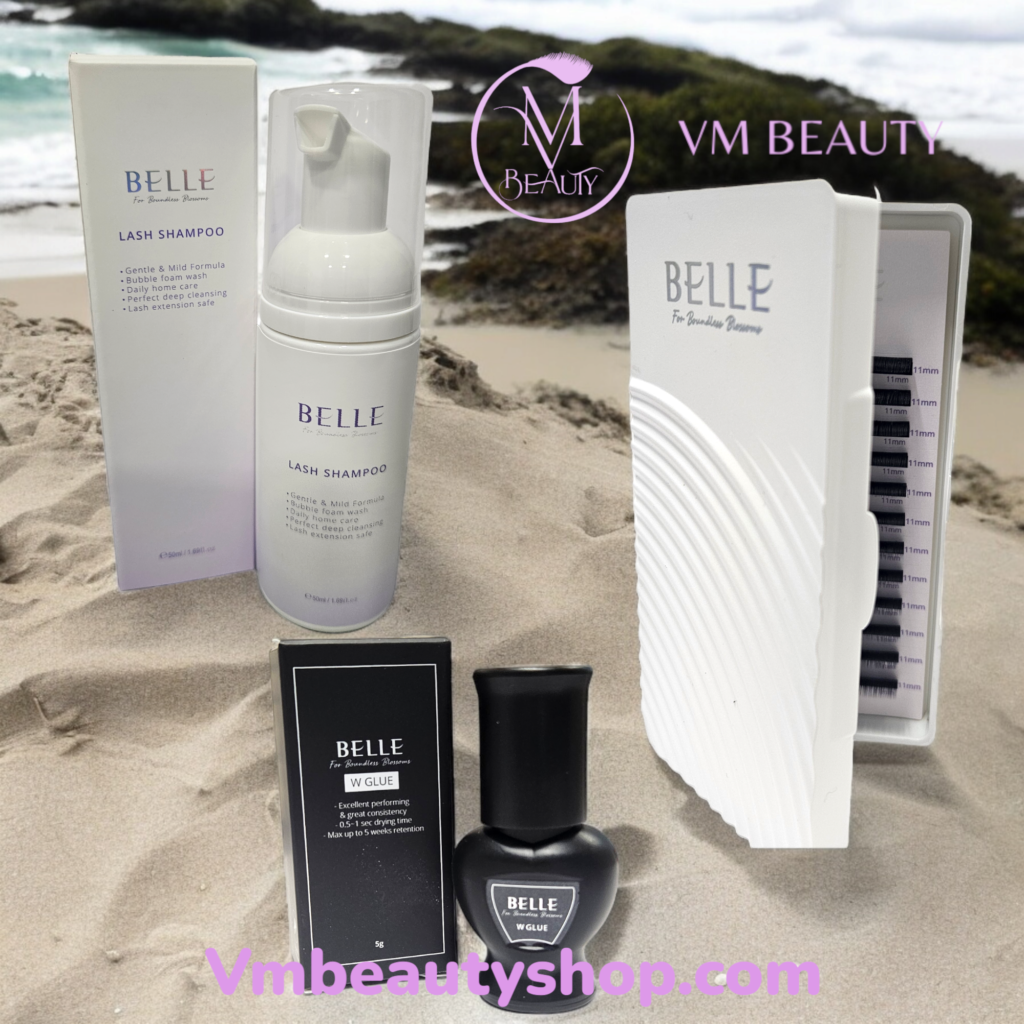
In VM Beauty's professional catalog, choosing an adhesive works best when it's tied to your pace, technique, and working conditions. Keep at least one proven backup option for a different season or humidity. It isn't excess stock but practical assurance that your schedule and the quality of every set won't depend on one unpredictable drop.



